
NEWS & EVENTS

News
16.09.2026
MiMIND Project Reaches Mid-Term Milestone with Pilot Evaluation in Romania
23–25 September 2026 | Brașov, Sfântu Gheorghe and Micfalău, Romania
The MiMIND project is reaching an important mid-term milestone with a three-day pilot evaluation workshop taking place in Romania from 23 to 25 September 2026.

Upcoming Events
Past Events
06.05.2026
Nearly a Week of Care, Support, and Community Partnership
The team of InterFamily Clinic, together with Advent Relief (USA), has successfully completed a mobile health outreach program for residents of the Radvanka neighborhood in Uzhhorod. Traditionally focused on supporting internally displaced persons (IDPs), this initiative also expanded its reach to the local Roma community, helping bring essential healthcare services closer to those with limited access.
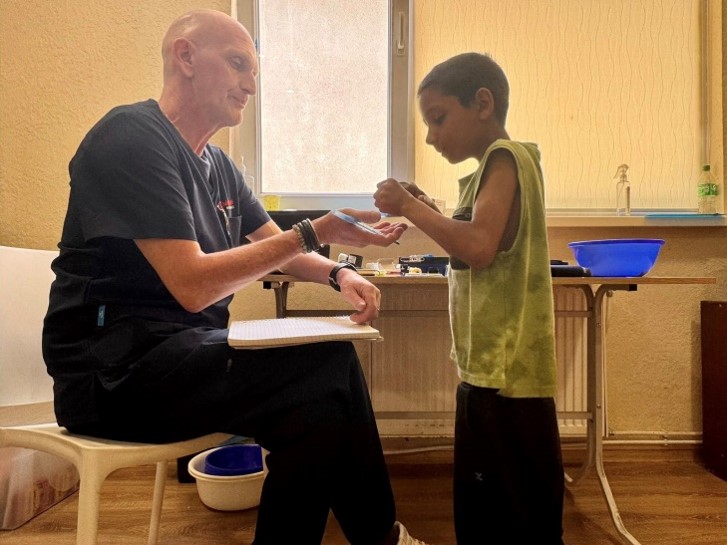
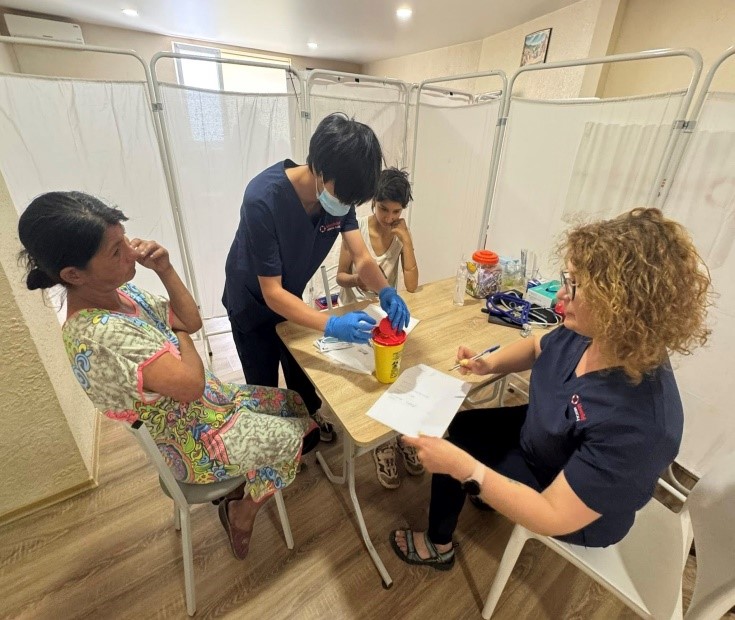
For nearly a week, doctors, volunteers, students, and medical residents, together with volunteers from Advent Relief, worked side by side to create a fully functioning mobile clinic outside the traditional healthcare setting. The project demonstrated that quality medical care is defined not by buildings, but by the knowledge, professionalism, and commitment of the people providing it. Beyond providing immediate support, the initiative also offered valuable hands-on experience for students and interns, helping prepare the next generation of medical professionals.
During the program, the team delivered primary healthcare services, conducted medical examinations, and supported patients living with chronic conditions such as diabetes and hypertension. Healthcare professionals also provided disease screening, adjusted treatment plans when necessary, and referred patients to specialists to ensure continuity of care.
Prevention was a key focus of the initiative. The team used the CheckMe program, developed through the European projects ShowUp4Health and MIMiND, to assess health risks and create personalized, evidence-based prevention plans for patients.
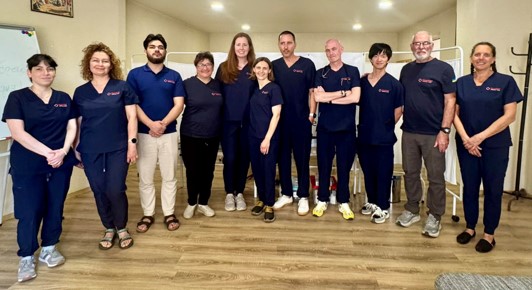
Together, we once again proved that care knows no borders and that healthcare can be brought closer to people, regardless of circumstances.
A Message from Advent Relief (USA)
„Our team in Ukraine has spent the last several weeks conducting highly successful community health programs in an underserved community in Western Ukraine with limited access to healthcare. With more than 600,000 internally displaced people (IDPs) now living in Western Ukraine, local healthcare services continue to face significant pressure.
This program was made possible through our partnership with Dr. Pavlo Kolesnik and the outstanding teams at InterFamily Clinic and InterFamily Space. We are deeply grateful to our volunteers, especially Jessica Wyman from House of Compassion, for helping make this initiative a success.
We look forward to continuing our work together to improve access to healthcare for vulnerable communities across Ukraine.”
06.05.2026
From Data to Practical Resources: Developing Handbooks and Professional Capacity Building in Romania
On 16–17 April 2026, Reykjavík hosted this year’s Wellbeing Economy Forum at the Harpa Concert and Conference Centre, with pre-events already taking place on 15 April. The international forum aimed to rethink what economic success means in the 21st century and how policymaking can better prioritize people’s wellbeing, health, and environmental sustainability.
The Wellbeing Economy Forum is a global platform bringing together policymakers, international organizations, researchers, business leaders, and civil society actors to explore solutions for a more sustainable and inclusive economic model. It is based on the growing recognition that traditional economic indicators—especially GDP—do not adequately capture the real state of societies or long-term progress.
The 2026 forum, held under the theme “The Power of Wellbeing: Redefining Success,” emphasized that measuring progress must go beyond economic output to include quality of life, health outcomes, social equity, and environmental considerations. The event was supported by the JA PreventNCD programme, which focuses on preventing non-communicable diseases and
addressing their systemic drivers.
Over the two-day programme, participants engaged in plenary sessions, panel discussions, and interactive workshops. Key topics included reducing inequalities, the links between climate and health, the importance of prevention, and representing the interests of future generations in policymaking. Cross-sectoral collaboration and the practical integration of wellbeing principles into public policy were also central themes.
A key takeaway from the forum was that the “wellbeing economy” is no longer a theoretical concept but an increasingly urgent and practical framework for governments and institutions. Participants highlighted that long-term, sustainable development can only be achieved if economic systems are aligned with the wellbeing of people and the planet.
The Wellbeing Economy Forum 2026 once again reinforced its role as a key international platform for rethinking economic paradigms and fostering dialogue across policy, science, and society.
Further information:
https://www.wellbeingeconomyforum.com
27.02.2026
From Data to Practical Resources: Developing Handbooks and Professional Capacity Building in Romania
In the next phase of the MiMIND project, the data collected during the pilot activities will be directly transformed into practical and accessible resources that respond to the needs identified through the research process. Building on the evidence generated during the pilot phase, SAMR will develop two dedicated handbooks designed to support both Ukrainian refugees and the professionals who work with them.

The first handbook will be addressed specifically to refugees from Ukraine and will serve as a user-friendly guide to the support landscape in Romania. Its main objective is to help beneficiaries better understand what types of services are available to them and how these services can be accessed in practice. The handbook will provide clear and practical information on health, social, psychological and community-based support, as well as guidance on navigating administrative procedures and institutional structures. By offering step-by-step explanations and concrete examples, the publication aims to reduce uncertainty and barriers to access, and to empower refugees to seek support more confidently when facing everyday challenges.
The second handbook will be developed for professionals working with Ukrainian beneficiaries across different sectors, including health care, social services, education and civil society. This publication will translate the findings of the pilot phase into practical recommendations and applied guidance for everyday professional practice. It will focus on how to work effectively, ethically and in a culturally sensitive manner with refugees who may have experienced trauma, prolonged displacement and social vulnerability. The handbook will also address key challenges identified during the pilot, such as communication barriers, coordination between services, and the need for more integrated and person-centred support pathways.
To further strengthen the practical use of these resources, SAMR will organise a dedicated workshop for professionals. The workshop will create a structured space for knowledge exchange, joint reflection and applied learning. Participants will have the opportunity to discuss the main insights emerging from the pilot data, explore the content of the handbooks in depth and work through real-life cases together. This interactive format will support the translation of methodological recommendations into concrete professional actions and will contribute to strengthening cooperation and mutual understanding among different service providers.
Through this combined approach – developing targeted handbooks and complementing them with an applied professional workshop – the MiMIND project aims to ensure that research outcomes lead to tangible improvements in practice. By turning data into concrete tools, the project seeks to reinforce both individual resilience among refugees and the quality, sensitivity and effectiveness of professional support systems, ultimately contributing to more responsive and sustainable mental health and psychosocial care in the Romanian context
Developing the Pilot Instruments in Romania
As part of the MiMIND project, which focuses on improving mental health support for refugees from Ukraine, the Romanian partner has successfully completed the development of the core instruments that will be used during the upcoming pilot phase in Romania.

The pilot preparation phase placed a strong emphasis on ensuring that data collection tools are not only scientifically sound, but also culturally and contextually appropriate for both Ukrainian refugees and the professionals who work with them on a daily basis. To achieve this, the project team developed and adapted three complementary instruments that together provide a comprehensive picture of mental health needs, access to services and everyday integration challenges.
The first tool is an Integration Questionnaire specifically tailored to the Romanian social, institutional and community context. This questionnaire explores key dimensions of everyday life for refugees, including access to housing, employment, education, social connections and support services. By reflecting the realities of local service structures and administrative processes, the instrument enables the project team to better understand how integration pathways function in practice and where additional support mechanisms may be required.
Alongside this, a dedicated Mental Health Questionnaire for Ukrainian refugees was developed and adapted to capture self-reported wellbeing, emotional distress, coping strategies and perceived barriers to accessing psychological or psychosocial support. Particular attention was paid to linguistic clarity and cultural sensitivity in order to ensure that the questions are accessible and meaningful for respondents who may have experienced significant trauma and prolonged uncertainty since their displacement.
In order to complement the perspectives of refugees themselves, the third tool is a semi-structured interview guide designed for professionals working with refugees in different sectors, including health care, social services, education and community support. This interview guide allows practitioners to reflect on their daily experiences, the main challenges they encounter in providing mental health and psychosocial support, as well as the gaps they observe in existing service pathways and inter-institutional cooperation.
Together, these three instruments make it possible to collect both quantitative and qualitative data on refugees’ mental wellbeing, their access to appropriate services and the practical constraints faced by frontline professionals within the Romanian context. The combined use of questionnaires and interviews will ensure that statistical trends can be interpreted alongside in-depth professional insights, offering a more nuanced understanding of the current situation.
The results of this pilot phase will serve as a crucial evidence base for the next stages of the MiMIND project. The findings will directly inform the development of practical tools, guidance materials and support resources aimed at strengthening mental health and psychosocial support mechanisms in Romania. By grounding these resources in real-world data and the lived experiences of both refugees and service providers, the project seeks to contribute to more responsive, accessible and sustainable mental health support for Ukrainian refugees and the professionals who assist them.
REMESOS: Building Resilient and Mentally Healthy Societies Across Europe
We’re excited to share the launch of REMESOS – Resilient and Mentally Healthy Societies, a new three-year initiative funded by the EU4Health programme (2025–2028) designed to strengthen mental health and well-being across Europe.
The REMESOS project started in October 2025 and brings together a diverse consortium of 12 organisations from nine countries, including public health institutes, universities, civil society partners, and networks of people with lived experience of mental health challenges.
At its heart, REMESOS focuses on two key pillars:
- Better ways to measure population mental health
To support evidence-informed policy and practice, REMESOS will review existing tools and expert consensus to identify the most appropriate way to assess mental health across whole populations in Europe. This shared measurement framework will help monitor trends, evaluate programmes, and guide decision-making across regions.
- Community-based mental health action through peer support
Building on the Guided Functional Peer Support (GFP) model from Finland — featured in the European Commission’s Best Practice Portal — the project will adapt and implement community-led peer support groups in Greece, Slovakia, Portugal, and Bosnia & Herzegovina. These groups provide safe, low-threshold spaces where people with lived experience can connect, recover, and build resilience together.
A core principle of REMESOS is co-creation with people with lived experience, ensuring that tools, interventions, and recommendations are grounded in real needs and everyday realities, and includes a focus on targeting vulnerable groups such as refugees and minority ethnic groups.
In this context, REMESOS builds on and complements the work of the MiMIND project, with which it shares a strong focus on vulnerable populations, culturally sensitive mental health support and the translation of research into practical tools for professionals and communities. While MiMIND concentrates specifically on strengthening mental health and psychosocial support for refugees through targeted pilot activities and practice-oriented resources, REMESOS extends this approach to a broader population and policy level, creating valuable synergies in evidence generation, community-based interventions and professional capacity building across Europe.
What’s next?
Over the coming months, REMESOS will begin piloting community activities, developing its measurement framework, and regularly sharing insights and outputs to support mental health promotion across Europe.
Stay tuned for more updates as the project progresses!
https://eurohealthnet.eu/publication/remesos-resilient-and-mentally-healthy-societies/
25.02.2026
Best and Promising Practice: Routine Depression Screening and Management in Primary Care
Early identification of depression is a key component of effective mental health care, particularly in contexts marked by prolonged stress and crisis. Within the MiMIND project, a best and promising practice has been introduced in Ukraine that focuses on routine depression screening in primary care using the PHQ-2 and PHQ-9 tools.

The practice targets adults attending primary care facilities, including patients who primarily present with physical or somatic complaints, as well as internally displaced people and other population groups affected by war-related stress. Primary care physicians and nurses play a central role in this approach, as they are responsible for carrying out first-line screening and initiating further support when needed.
The main objective of the practice is to ensure the early identification of depressive symptoms, including major depression, among both the general adult population and high-risk groups. At the same time, the model supports timely referral and access to appropriate treatment, including psychological support and pharmacological therapy when necessary. By integrating screening into everyday primary care, the approach also helps reduce the burden of undiagnosed depression, which has increased significantly during the ongoing war in Ukraine.
The screening and management model is based on internationally recognised evidence-based guidelines, particularly the recommendations of the U.S. Preventive Services Task Force, which support routine depression screening for adults when adequate systems for diagnosis, treatment and follow-up are in place. In Ukraine, this approach has been adapted to the wartime context and integrated into routine primary care workflows as well as NGO-led psychosocial support services implemented within the MiMIND project. The model strengthens the role of primary care as a first and trusted point of contact for mental health support and contributes to more timely and coordinated care for people living with depression.
23.02.2026
World Mental Health Day: “You Are Not Alone” – Mental Hugs for Internally Displaced People
Sometimes a single sentence can carry powerful meaning: “You are not alone.”
World Mental Health Day serves as an important reminder that caring for our mental and emotional well-being is just as essential as looking after our physical health. Within the international MiMIND project, the InterFamily Clinic has created a dedicated space of support through its initiative called Mental Hugs.

The project brings together family doctors, a psychiatrist, a psychotherapist and an experienced psychologist to provide accessible and coordinated mental health support. Family doctors play an important role in identifying hidden and early signs of mental health problems, while specialised professionals offer further assessment, therapy and professional guidance. In parallel, a new training course on mental health is being launched by an experienced psychologist to strengthen professional capacities in this field.
For internally displaced people, the project also provides targeted social support, including free consultations with family doctors and a psychiatrist, as well as discounted psychotherapy sessions. In response to the increasing number of people experiencing anxiety, a new form of support is currently being prepared in the form of group psychotherapy for anxiety disorders.
The Mental Hugs initiative aims to help people rediscover calm, emotional balance and inner strength in an extremely challenging and uncertain environment.
InterFamily – the art of being healthy. Mentally, too.
20.02.2026
“Mom in Resource – Child in Safety”: Supporting Mothers to Protect Children’s Emotional Well-Being
A mother’s emotional state has a direct and lasting impact on a child’s sense of safety and emotional stability. When a mother feels supported, balanced and emotionally resourced, her child is more likely to experience security and calm, even in times of crisis.

In response to the growing psychosocial needs of families affected by the war, a new series of psychological support meetings entitled “Mom in Resource – Child in Safety” has been launched. The initiative is based on the idea that taking care of one’s own emotional well-being is an essential part of caring for children and protecting their future.
The sessions help mothers better understand how their emotional condition influences their children’s well-being, while also supporting them in recognising early signs of exhaustion and emotional overload. A central element of the programme is working with feelings of guilt and self-blame, and strengthening the inner confidence of being a “good enough mother”. Participants are encouraged to develop simple and practical self-support techniques and to allow themselves to be authentic and emotionally present, rather than striving for unrealistic perfection.
The programme is implemented with the support of the European initiative MiMIND and the Sister City Association of Corvallis. Through professional psychological guidance and a safe group environment, mothers are supported in restoring their inner balance, strengthening their resilience and creating a more emotionally secure atmosphere for their children.
18.02.2026
Psychosocial Support for Elderly Internally Displaced People through English Classes in Uzhhorod
During the war, elderly internally displaced people (IDPs) belong to one of the most vulnerable groups. Many have lost their homes, are separated from their families and live with constant uncertainty about the future. These experiences have a serious impact on their emotional and mental well-being.
Kolping’s main areas of work include social integration, support for internally displaced people, education and family assistance. An important initiative contributing to these goals is being implemented in Uzhhorod within the framework of the international MiMIND project.
The programme is delivered by the InterFamily Clinic, with the support of the Sister City of Corvallis (USA). As part of the initiative, participants first took part in depression screening, followed by the introduction of different psychosocial support methods. One of these proved to be an unexpected yet highly effective form of support: psychosocial assistance through learning English.
For more than a year, English classes have been organised twice a week and are led by Nina Kolesnyk, a retired volunteer teacher with extensive professional experience. The group currently includes around twenty elderly learners, and many more people would like to join.
The popularity of the classes is not only due to the teacher’s professional skills, but also to the calm, respectful and safe environment they provide.
For elderly IDPs, learning English is much more than acquiring a new language. The classes create opportunities to connect with others, support one another and keep their minds active. Participants report feeling less anxious, emotionally more stable and more engaged in everyday life. Having regular lessons offers a sense of routine and stability in the uncertainty caused by the war.
The teaching methods are specifically adapted to the needs of older adults. Many participants had little or no previous experience with English, yet the lessons are relaxed and free of pressure. Learners can clearly see their own progress, which increases their confidence and motivation. Successes are shared and celebrated together within the group.
English also has clear practical value. Many participants travel abroad to visit their children or grandchildren. Even basic language skills help them feel safer, more independent and less fearful in foreign countries. Some learners also use English to search for information online and to better understand the international support provided to Ukraine.
Over time, the group has become a genuine supportive community, reducing social isolation and strengthening emotional resilience. The experience clearly shows that education, social connection and mutual respect can provide real psychosocial support for elderly people, even outside traditional therapeutic settings.
What the participants say
“I love travelling to different countries and experiencing new situations, and English helps me feel safe and secure anywhere. Mrs Nina is an extraordinary professional, and it is a great honour to study with such a teacher.”
“I am 75, and my memory needs to be trained by memorising words, expressions, texts and songs in English.”
“English lessons discipline me to arrive on time and to prepare my homework.”
“For me, learning English helps to overcome the language barrier and to meet new people. Regular lessons make me more confident in my abilities.”
“For more than ten years of my life I tried to learn English – five years at school and five years at university – but without visible results. Our lessons with Nina are completely different: tables, word games, technical tools and the freedom to express ourselves. I never believed that after 65 I would be able to learn a foreign language. Our lessons are proof that Ukraine will survive thanks to such wonderful people as Nina.”
“Learning English with Nina helps me to be more independent and confident when I am abroad. It is great fun to be part of our creative and friendly group instead of being alone and miserable.”
“The lessons give me positive emotions and the opportunity to be among people of my age, most of whom have higher education. When I started learning English, my children and grandchildren were very proud of me. My eldest daughter said that I am an example for her and that she would also like to keep learning and growing when she reaches my age.”
“Little by little, the feeling of fear is going away. English lessons with Nina help me, step by step, to forget the horrors of war.”
16.02.2026
Workshop on Planning and Implementing Pilot Activities
The MiMIND project, which aims to support the mental well-being of people with a refugee background and thereby reduce the burden of mental health problems across the EU, has reached an important milestone in its implementation. To date, partners from Hungary, Romania, Ukraine and Belgium have collected and analysed good practices that are relevant to their local contexts for supporting individuals and families with a refugee background.

The project is now entering its third phase, during which these good practices will be tested in real-life settings to assess their applicability and effectiveness. Based on implementation experience and systematic feedback, the partners will finalise a professional and methodological toolkit for wide dissemination. This toolkit is intended to strengthen integration services and professional support for people with a refugee background, with a particular emphasis on mental health promotion and psychosocial support.
On 11 February, professionals from the organisations implementing the pilot activities — Hungarian Charity Service of the Order of Malta (HCSOM), Romanian Maltese Charity Service (SAMR), and Interfamily LLC (Family Medicine Clinic) from Ukraine — held a joint workshop with experts from Semmelweis University and the Belgian GAMIAN-Europe to formally launch the pilot phase. During the workshop, participants reviewed progress to date, presented the tools to be tested over the coming year, and agreed on common instruments for collecting feedback and documenting practical experience.
The Hungarian pilot, led by HCSOM, focuses on strengthening psychosocial support for refugee-background families through a family-centred approach. Building on the good practices identified within the project, and complemented by a more comprehensive mental health assessment, the pilot aims to enhance individual and family coping capacities. The toolkit being tested includes psychoeducational training sessions for both beneficiaries and family support workers who mentor them, addressing topics such as stress management, burnout prevention, communication skills, conflict resolution and cultural differences.
The Romanian Maltese Charity Service (SAMR) is testing the selected good practices in Ukrainian kindergarten and school groups in Cluj-Napoca, with the aim of supporting the mental well-being of both children and teachers. The programme seeks to foster a stress-reducing, trauma-sensitive and inclusive school environment, while also exploring the integration of mental health promotion into public education settings.
The Ukrainian pilot, led by Interfamily LLC (Family Medicine Clinic), focuses on improving mental health care for internally displaced persons within primary health care services in Transcarpathia through the adaptation of WHO protocols. By training general practitioners and introducing new tools, the pilot aims to strengthen the early identification of mental health conditions and to assess the effectiveness of mental health care provision.
Preparing for Phase 3: Testing Practice-Based Pilot Tools to Support Refugee Integration and Mental Well-being in Hungary
As the MiMIND project — with mental well-being at its core — approaches Phase 3, the Hungarian team is intensively preparing for the implementation of pilot activities. The partner organisation responsible for supporting the integration of people forced to leave their home countries will test two dedicated tools during this phase.
The first tool directly targets beneficiaries. The eight-session psychoeducational training programme aims to strengthen participants’ understanding of the local cultural context, thereby facilitating smoother social integration. Through the sessions, participants gain insights into cultural differences as well as the most common mental health challenges associated with adapting to a new environment — a transition often experienced as the beginning of an entirely new life.
The second tool focuses on enhancing the preparedness of social workers involved in mentoring refugees. These professionals fulfil a highly specialised role and therefore require tailored support to address challenges related to cultural differences and refugee status. The training equips them with practical tools and methodologies to support beneficiaries who are exposed to multiple and compounding stress factors more effectively.
Both tools are process-oriented and grounded in practice-based curricula developed through hands-on professional experience.
03.02.2026
From Dialogue to Action
Recent Synergy Activities and Future Collaboration Opportunities within MiMIND
During the first implementation period, MiMIND has placed strong emphasis on translating strategic intentions around synergies into concrete action. Building and strengthening cooperation with other European mental health initiatives has been an ongoing, practice-oriented process, embedded in the project’s day-to-day work and reflected in an increasing number of structured exchanges, joint meetings, and coordinated activities.
A key milestone in this process was the establishment of regular coordination with the Joint Action Mental Health Together – MENTOR. Through bilateral meetings and participation in joint discussions, MiMIND partners engaged with European-level stakeholders to align objectives, share early experiences from community-based interventions, and explore how project-level evidence can inform broader policy and system-level developments. These exchanges have helped ensure that MiMIND’s activities remain closely connected to evolving European priorities in mental health promotion and prevention.
In parallel, MiMIND actively participated in cross-project meetings and thematic events with other EU4Health Programme Action Grant projects. These interactions provided valuable opportunities to present the MiMIND approach, exchange lessons learned, and discuss common challenges related to reaching vulnerable populations, ensuring cultural sensitivity, and adapting interventions to diverse national and local contexts. Such exchanges strengthened mutual understanding between projects and laid the groundwork for more structured collaboration in later phases.
Several of these interactions focused specifically on methodological alignment and practical implementation. Discussions with projects such as Migration in Mind, EASE-Y, and SASTIPE addressed shared challenges in community outreach, stakeholder engagement, and the integration of mental health support into existing health and social care services. These conversations underlined the importance of flexible, context-sensitive approaches and reinforced the value of learning from pilot activities implemented across different countries.
MiMIND also contributed actively to knowledge exchange by sharing early insights from its implementation in Hungary, Romania, and Ukraine. These contributions offered a practice-oriented perspective on working with migrants, refugees, and other vulnerable groups in complex social and political environments. At the same time, MiMIND partners benefited from exposure to innovative tools, evaluation frameworks, and engagement strategies developed by other projects, several of which are currently being considered for adaptation within the MiMIND context.
Beyond formal meetings, synergies were further strengthened through coordinated communication and dissemination efforts. By aligning key messages, cross-referencing project outputs, and jointly promoting relevant events and publications, MiMIND and its partners increased the visibility of their work and ensured that core messages reached a broader audience of professionals, policymakers, and civil society actors. This coordinated approach supports the efficient use of resources and contributes to a more coherent European narrative on mental health promotion.
Looking ahead, MiMIND sees significant potential to deepen these collaborations. Planned areas for future cooperation include joint dissemination activities, shared learning events, and the mutual use of training materials and guidance documents. There is also strong interest in exploring how effective pilot interventions and good practices can be transferred or scaled up across projects and countries, thereby contributing to longer-term impact beyond individual funding cycles.
As MiMIND moves into its next implementation phases, synergies will continue to play a central role in ensuring relevance, quality, and sustainability. By maintaining open and structured dialogue with partner projects and European-level initiatives, MiMIND aims to contribute actively to a connected, resilient, and inclusive European mental health ecosystem. This ongoing collaboration strengthens not only MiMIND’s own outcomes, but also the collective European effort to improve mental health and well-being for migrants, refugees, and other vulnerable groups.
03.02.2026
Shared Goals, Aligned Solutions
MiMIND’s Cooperation with European Mental Health Projects
Promoting mental health among migrants, refugees, and other vulnerable groups is a complex challenge that can only be addressed effectively through coordinated, multi-actor cooperation. From the early stages of implementation, the MiMIND project has therefore actively built partnerships with European initiatives whose thematic focus, target groups, or methodological approaches complement and strengthen its own work.
These collaborations ensure that MiMIND does not operate as a stand-alone project, but as part of a broader European professional and policy ecosystem. Through structured cooperation, joint reflection, and continuous knowledge exchange, the collaborating projects align their approaches, reinforce each other’s activities, and generate added value that goes beyond individual project results.
One of MiMIND’s key strategic partners is the Joint Action Mental Health Together – MENTOR, which operates at European level to promote mental health, embed good practices into health systems, and advance the Mental Health in All Policies approach. Close cooperation between the two initiatives enables experiences from MiMIND’s community-level interventions to inform European policy and methodological frameworks, while guidance and recommendations developed within MENTOR strengthen MiMIND’s practical implementation and long-term sustainability.
In parallel, MiMIND collaborates with several Action Grant projects funded under the EU4Health Programme, each addressing mental health promotion and prevention from a distinct but complementary perspective.
The Migration in Mind (MinM) project focuses on improving access to mental health and psychosocial support for people with migration experience, with a strong emphasis on culturally sensitive tools and professional guidance. Cooperation between MiMIND and MinM enables mutual enrichment of methodological resources, particularly in the areas of mental health assessment, promotion, and professional capacity building.
The EASE-Y project aims to strengthen the mental health and emotional resilience of early adolescents, with special attention to migrant, refugee, and socially disadvantaged children. For MiMIND, this partnership creates important links to school-based, family-centred, and community-level interventions, and supports the integration of youth-focused mental health approaches into its broader framework of good practices.
The SASTIPE project seeks to improve access to quality mental health services for Roma communities. This collaboration is particularly relevant for MiMIND’s equity-oriented approach and its commitment to reaching marginalised populations. Through shared learning, the projects exchange experiences related to community-based outreach, stigma reduction, and the involvement of local actors in mental health promotion.
Mind the Mum addresses perinatal mental health by focusing on the emotional well-being of mothers and strengthening the capacity of professionals working with families. For MiMIND, this partnership reinforces a life-course and family-centred perspective within integration services and highlights the importance of addressing mental health needs early and preventively.
The MentBox initiative focuses on developing modular tools to address depression, suicide, and non-clinical mental distress, placing strong emphasis on the voices of people with lived experience. Cooperation with MiMIND supports the exchange of practical insights from different national contexts and contributes to the development of flexible, adaptable mental health solutions tailored to vulnerable groups.
The ReCiHePe – Resilient Cities, Healthy People project explores innovative ways to promote mental health in urban settings, with a particular focus on community initiatives and peer support. This approach closely aligns with MiMIND’s community-based perspective and reinforces the role of local social networks in strengthening mental well-being.
Finally, the ABC Mental Health project builds on the Act–Belong–Commit model, highlighting how everyday actions and social participation can support positive mental health. For MiMIND, this collaboration offers valuable insights into low-threshold, community-level prevention approaches that are accessible to diverse populations and easily adaptable across contexts.
Together, these partnerships embed MiMIND’s activities in a wider European landscape of cooperation and shared learning. Through continuous dialogue, aligned implementation, and mutual reinforcement, the collaborating projects not only strengthen each other’s work but also contribute to a coherent European knowledge base that supports inclusive, sustainable, and equity-oriented mental health promotion for vulnerable groups across Europe.
03.02.2026
Building Stronger Impact Through Synergies
How MiMIND Contributes to Coordinated EU Mental Health Action
Improving mental health outcomes for migrants, refugees, and other vulnerable groups requires more than isolated project activities. It calls for coordinated action across sectors, countries, and policy levels. For the MiMIND project, building and strengthening synergies with other EU-funded initiatives is therefore not an additional task, but a core strategic approach embedded in its implementation.
Mental health challenges linked to migration and displacement are complex and multidimensional. They are shaped not only by individual experiences of trauma or stress, but also by access to healthcare, social support, education, employment, and community networks in host societies. Addressing these interconnected factors effectively requires collaboration across disciplines and policy domains. Synergy-building enables projects to work towards shared objectives, connect different levels of intervention, and translate local experiences into broader systemic change.
Within this framework, MiMIND’s synergy activities focus on linking community-based practice with European-level policy and methodological development. The project actively promotes cooperation with partner initiatives through structured coordination mechanisms, joint meetings, and thematic exchanges. This collaborative approach ensures that MiMIND’s interventions are informed by the latest evidence, policy guidance, and methodological tools developed at EU level, while at the same time contributing concrete field experience to shared learning processes.
A defining feature of MiMIND’s approach is the two-way flow of knowledge. Insights generated through joint actions and parallel projects help shape MiMIND’s Codes of Good Practice and pilot interventions, particularly in relation to culturally sensitive mental health promotion and integration support. At the same time, lessons learned from MiMIND’s implementation in Hungary, Romania, and Ukraine provide valuable input for European discussions on prevention, mental health promotion, and equity-oriented service design.
Synergies are also reflected in coordinated communication and dissemination efforts. By aligning outreach activities and sharing information across project platforms, MiMIND and its partners increase the visibility of their work and reach a broader audience of policymakers, professionals, and civil society actors. This coordinated approach supports the transfer and potential scale-up of effective practices, while avoiding fragmented or duplicated messaging.
Beyond immediate implementation benefits, synergy-building plays a crucial role in sustainability. While MiMIND tests and refines approaches at local and national levels, its collaboration with larger joint actions supports the integration of successful practices into longer-term strategies and policy frameworks. This creates a continuous feedback loop in which practice informs policy and policy, in turn, strengthens practice—enhancing the likelihood that project results remain relevant and impactful beyond the funding period.
Through its commitment to synergy-building, MiMIND contributes to a more coherent and coordinated European response to mental health challenges related to migration and displacement. The project demonstrates how structured collaboration among EU-funded initiatives can amplify impact, strengthen policy coherence, and support the development of more inclusive, resilient, and sustainable mental health systems across Europe.
Mental health challenges linked to migration and displacement are complex and multidimensional. They are shaped not only by individual experiences of trauma or stress, but also by access to healthcare, social support, education, employment, and community networks in host societies. Addressing these interconnected factors effectively requires collaboration across disciplines and policy domains. Synergy-building enables projects to work towards shared objectives, connect different levels of intervention, and translate local experiences into broader systemic change.
Within this framework, MiMIND’s synergy activities focus on linking community-based practice with European-level policy and methodological development. The project actively promotes cooperation with partner initiatives through structured coordination mechanisms, joint meetings, and thematic exchanges. This collaborative approach ensures that MiMIND’s interventions are informed by the latest evidence, policy guidance, and methodological tools developed at EU level, while at the same time contributing concrete field experience to shared learning processes.
A defining feature of MiMIND’s approach is the two-way flow of knowledge. Insights generated through joint actions and parallel projects help shape MiMIND’s Codes of Good Practice and pilot interventions, particularly in relation to culturally sensitive mental health promotion and integration support. At the same time, lessons learned from MiMIND’s implementation in Hungary, Romania, and Ukraine provide valuable input for European discussions on prevention, mental health promotion, and equity-oriented service design.
Synergies are also reflected in coordinated communication and dissemination efforts. By aligning outreach activities and sharing information across project platforms, MiMIND and its partners increase the visibility of their work and reach a broader audience of policymakers, professionals, and civil society actors. This coordinated approach supports the transfer and potential scale-up of effective practices, while avoiding fragmented or duplicated messaging.
Beyond immediate implementation benefits, synergy-building plays a crucial role in sustainability. While MiMIND tests and refines approaches at local and national levels, its collaboration with larger joint actions supports the integration of successful practices into longer-term strategies and policy frameworks. This creates a continuous feedback loop in which practice informs policy and policy, in turn, strengthens practice—enhancing the likelihood that project results remain relevant and impactful beyond the funding period.
Through its commitment to synergy-building, MiMIND contributes to a more coherent and coordinated European response to mental health challenges related to migration and displacement. The project demonstrates how structured collaboration among EU-funded initiatives can amplify impact, strengthen policy coherence, and support the development of more inclusive, resilient, and sustainable mental health systems across Europe.
11.11.2025
Mapping, Evaluation, and Adaptation of Best Practices on Mental Health Promotion and Assessment for Migrants, Refugees, and Internally Displaced Persons (IDPs)
Code of Good Practice Development (D2.2)
MIMIND aims to promote mental well-being and prevent mental health issues among migrants, refugees, and internally displaced people (IDPs) from Ukraine by supporting integration services such as healthcare, social care, education, and employment. The project, involving five partners from three countries, collects, adapts, and applies EU and global best practices on mental health assessment and promotion. These best practices are being incorporated into Codes of Good Practice, which serve as core methodological documents for pilot programmes implemented by HCSOM (HU), SAMR (RO), and FMC (UA). The pilots focus on family-based, school, and healthcare interventions to promote mental health and prevent mental health problems in these key integration settings. The Hungarian pilot addresses on family-based psychosocial interventions, the Romanian pilot targets the mental health of refugee children in schools, and the Ukrainian pilot focuses on GPs in primary healthcare. The search for and analysis of good practices is carried out along these thematic areas.
In the early phase, project partners undertook extensive country-level and international mapping of existing good practices and available tools. They reviewed methods and resources previously applied in similar or related projects, drawing conclusions on their effectiveness and relevance. This process of brainstorming, synthesis, and critical reflection has been essential in determining which practices can be transferred, which require adaptation, and which need updating. The outcome of this work is the development of the Code of Good Practice, which guides and underpin the pilot activities in the member countries. This core document ensures that tested, evidence-informed strategies and practical tools are available to professionals working in integration services, thereby strengthening their capacity to support the mental health of displaced populations effectively.
26.05.2025
Article Recommendation
The study by Sarah E. Bjornson and Adrienne Perry, published in January 2025, explores the relationship between satisfaction with the school environment and the quality of life of children with severe developmental disabilities and their families. The research involved 171 Canadian parents and aimed to identify the key factors that most significantly influence the quality of life for both the children and their families.
The findings indicate that quality of life is not only shaped by the type of diagnosis, the coping strategies of the parents, or the natural support networks surrounding the family, but is also strongly influenced by satisfaction with the school. In fact, school satisfaction emerged as one of the strongest predictors of quality of life, highlighting the critical role of the educational environment.
Interestingly, the study found no significant correlation between the specific type of educational setting (mainstream classrooms with or without support, or special education classes) and quality of life. This challenges the assumption that any one form of education or teaching method is automatically better for all children with severe disabilities.
The researchers explored seven themes based on parents’ school-related experiences: emotionally charged personal experiences, school staff, the educational system, type of educational setting, changes over time, inclusion, and learning, achievement, and development. More than half (54.1%) of parental responses reflected negative emotions, indicating considerable challenges.
The study emphasises that it is not merely the availability of services or the form of education that determines parental satisfaction and, in turn, quality of life, but rather the degree to which educational strategies are tailored to individual needs and effectively meet the specific requirements of each child. The same school environment may be highly positive for one family, while deeply frustrating for another – depending entirely on how well it aligns with the child’s unique needs and capabilities.
The authors conclude that there is a pressing need for individualised educational programmes based on the child’s abilities, needs, and personal goals. Close and cooperative partnerships between educators and parents are particularly important in ensuring effective and personalised developmental support. Appropriate school conditions can not only help achieve learning goals but also contribute significantly to the overall well-being of the child and the entire family.
The practical relevance of the study lies in its potential to guide educational professionals in supporting children with severe developmental disabilities. The findings suggest that teacher training, educational practices, and policy development should all place greater emphasis on strengthening individualised approaches and fostering direct collaboration with parents.
05.05.2025
MiMIND Brainstorming Day in Budapest – Partners Prepare for Pilot Phase
On 5 May 2025, partners of the MiMIND project came together in Budapest for an in-person Brainstorming Day focused on shaping the upcoming pilot activities to support the mental health of migrants, refugees, and internally displaced persons (IDPs) during integration.
The event was structured around five interactive stations, guiding participants through discussions on mapping existing competencies, identifying good practices, assessing transferability, exploring feasibility and adaptation needs, and outlining expected outcomes and evaluation tools.
The Ukrainian, Romanian, and Hungarian partners brought diverse strengths and experiences to the table:
- Ukraine showcased extensive expertise in pilot implementation, evaluation tools, clinical literacy, and refugee integration methodologies. They also emphasized the potential for professional exchanges and field visits to foster cross-border learning.
- Romania highlighted their strong infrastructure, established volunteer networks, and mental health expertise at the border. Their school-based programs and partnerships with Ukrainian associations were presented as valuable assets.
- Hungary contributed reflective methodologies and a multidisciplinary team approach, emphasizing the need for training programs and an integration handbook to support mental health across social, educational, and translation services.
- Gamian Europe provided frameworks and insightful material from the perspectives of mental health patients
The brainstorming sessions allowed partners to align priorities, share promising practices, and identify the tools and resources needed for the upcoming pilot phase. A detailed summary and next steps will be shared later this week.
The MiMIND project continues to move forward with its goal: to build inclusive, effective mental health support systems for those rebuilding their lives in new environments.
31.01.2025
Introductory Synergy Meeting: JA MENTOR and Action Grants
The first online synergy meeting took place on 31 January 2025, with representatives from eight Action Grant projects and the JA MENTOR project participating. The speakers presented their projects and shared ideas for cooperation. The half-day meeting was attended by approximately thirty participants, including representatives from the HaDEA Agency and DG SANTE.
- Presentation of the JA MENTOR; Sibilla Neimane – Latvia National Center of Mental Health
- Presentation of MinM (Migration in Mind- Enhancing access to Mental Health and Psychosocial Support (MHPSS) for persons in migration by improving mental health literacy, the quality of care and breaking through stigma; Juliette Delescluse, Julie Cellier – Médecins du Monde
- Presentation of ReCiHePe (Resilient cities, healthy people); Dumitrita Simion – ANIMA
- Presentation of EASE-Y (Promoting mental health wellbeing among vulnerable young adolescents); Sara Salmi, Jessica Colombo – SOS Villaggi dei Bambini Onlus
- Presentation of ABC Mental Health (The ABCs of Mental Health); Carole Ponchon, Hilal Erkoca – ISCA
- Presentation of SASTIPE (TBC Improving access to mental health services for Roma people); Catalina Constantin – NCMHFAD
- Presentation of Mind the Mum (Placing Parental Mental Health and Care to the Forefront); Margarita Kapsou, Eleni Hadjigeorgiou – Birth Forward
- Presentation of MiMIND (Methodology development for migrants’ and refugees’ mental health promotion during integration into a new host environment); Endre Pasztor – Hungarian Charity Service of the Order of Malta
- Presentation of MentBox (Modular Mental Health Toolbox); Carolina Pina – Pia Hauck , European Alliance Against Depression
21.10.2024
MiMIND kick-off meeting on the 21th October 2024 in Budapest
The MiMIND kick-off meeting was held on 21st of October 2024, in Budapest. The meeting opened with a presentation by Dániel Solymári, who discussed the international activities of the Hungarian Charity Service of the Order of Malta related to migrants and refugees. The second speaker, Hülya Okuyan from the HaDEA Agency, provided an overview of the EU4HEALTH program, including general information and expectations.
Next, Endre Pásztor spoke about project management, communication, and dissemination expectations related to the project. He also outlined requirements for establishing synergies with MENTOR joint actions and other EU-funded projects. Kosztadin Tenevszki then gave a presentation on financial accountability. Szilvia Ádám followed with an explanation of the project’s aims, scope, and professional content.
The event continued with presentations from each partner, where they described their organization’s activities and their potential contributions to the project’s success. The meeting concluded with a collaborative workshop.”

Calendar
Date: 05 May 2025
Time: 10:00–14:00
Event: MiMIND BRAINSTORMING DAY
Date: 31 January 2025
Time: 09:00–13:00
Event: Introductory Synergy Meeting: JA MENTOR and Action Grants
Date: 21 October 2024
Time: 10:00–15:00
Event: MiMIND kick-off meeting
The content of this website represents the views of the author only and is his/her sole responsibility; it cannot be considered to reflect the views of the European Commission and/or the European Health and Digital Executive Agency (HaDEA) or any other body of the European Union. The European Commission and the Agency do not accept any responsibility for use that may be made of the information it contains.